Understanding your skin
popcorner/Shutterstock
Introduction of Skin
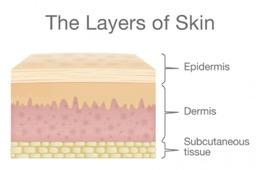
Human skin is the largest organ of the body that covers the entire body. It approximately represents 16% of the total body weight. Depending on the role of different parts, the thickness of the skin varies throughout the body. The skin is a multifunctional organ divided into the epidermis, dermis, and subcutaneous tissue.
Epidermis: this is the outer layer of the skin that protects the body. And it makes new skin and gives the skin its color.
Dermis: This is the part where sweat and oil are made and provides blood to the skin.
Subcutaneous tissue: the role of the tissue is to connect dermis to the body and to control body temperature.
Functions of skin
There are many functions of skin as it is an essential part of our body.
1. Thermoregulation:
The skin allows us to maintain our body temperature. For the human, the body temperature needs to remain within a narrow window. When we are hot, we need to lower the body temperature by widening blood vessels at the skin surface. This allows more heat to escape from the body, reducing the overall body temperature. When we are cold, we need to minimize heat loss and conserve heat by narrowing blood vessels.
2. Sensation:
There are many nerves and receptors present in the skin to sense objects and send a signal to our brain. This allows us to feel pain and to detect different objects.
3. Protection:
Skin acts as a barrier and protects the body from injury and infection. It is the first line of immune protection. Moreover, skin prevents us from drying up.
4. Synthesis of vitamin D:
The synthesis of vitamin D3 happens in the skin when we are exposed to the sun. Vitamin D3 plays a crucial role is to maintain healthy bones and teeth. Also, it has an anti-inflammatory property.
Skin stem cells:
Skin plays a vital role in our bodies, like protection from infection and dehydration. Our skin is continuously exposed to the environment, so it is prone to damage by external factors. Therefore, it must be renewed continually throughout our lives. Researchers have identified stem cells that maintain and repair our skin daily like epidermal stem cells, hair follicle stem cells, and melanocyte stem cells.

